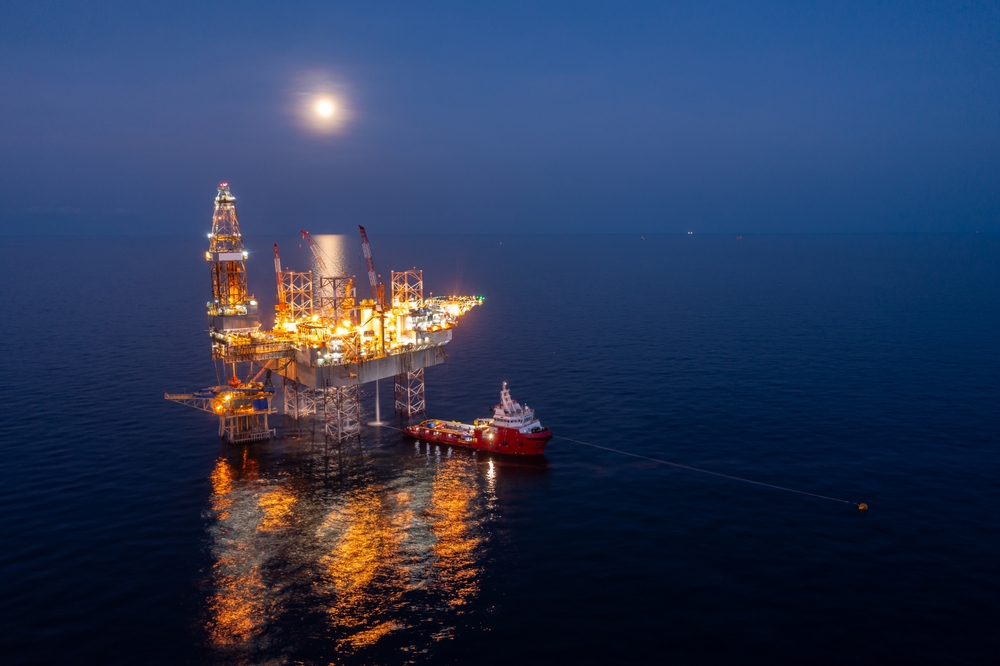
The Norwegian government has proposed new climate rules for offshore vessels used in oil and gas operations. The proposal introduces gradual requirements for reducing emissions per unit of energy from 2029, with stricter requirements over time.
The main goal is to create real demand for zero-emission solutions, while avoiding a situation where all the financial and technological risk falls on shipowners alone. The regulation prepared by Miljødirektoratet is designed to give operators flexibility, while still driving investment in electric and hydrogen‑based solutions.
Strengthening Norway's green maritime position
This is industrial policy aimed at developing a home market for the entire ecosystem. A new report from Maritime CleanTech and Menon Economics shows that the Norwegian maritime industry is competing with the largest countries that usually dominate the cleantech space. Further momentum is needed to maintain and develop this position. It is also crucial to align with the EU’s new industrial policy aimed at strengthening European supply chains. This policy can help build markets and value chains while European frameworks are still evolving.
From political ambition to market implementation
Climate rules for offshore vessels have been expected for years. They were first signalled by the Norwegian government as early as 2019. Since then, the industry has been trying to prepare for change, often through long periods of uncertainty.
Through industry collaboration, innovative solutions have been tested, while investment decisions and infrastructure development have largely been waiting for clearer market signals. Today’s announcement will hopefully turn long‑standing signals into action.
Link to the Norwegian government’s announcement here.

.webp)