Underwater noise is moving higher up the European and international maritime agenda. While specific mandatory noise limits for ships are not currently in place at international level, the direction is clear: greater attention to underwater noise, wider implementation of existing guidelines and continued development of policy measures.
For shipowners, designers and technology providers, now is the time to understand the implications and prepare. Through the EU-funded LOWNOISER project and participation in a recent European Maritime Safety Agency (EMSA) expert workshop, Maritime CleanTech is contributing industry experience to help evolve that discussion.
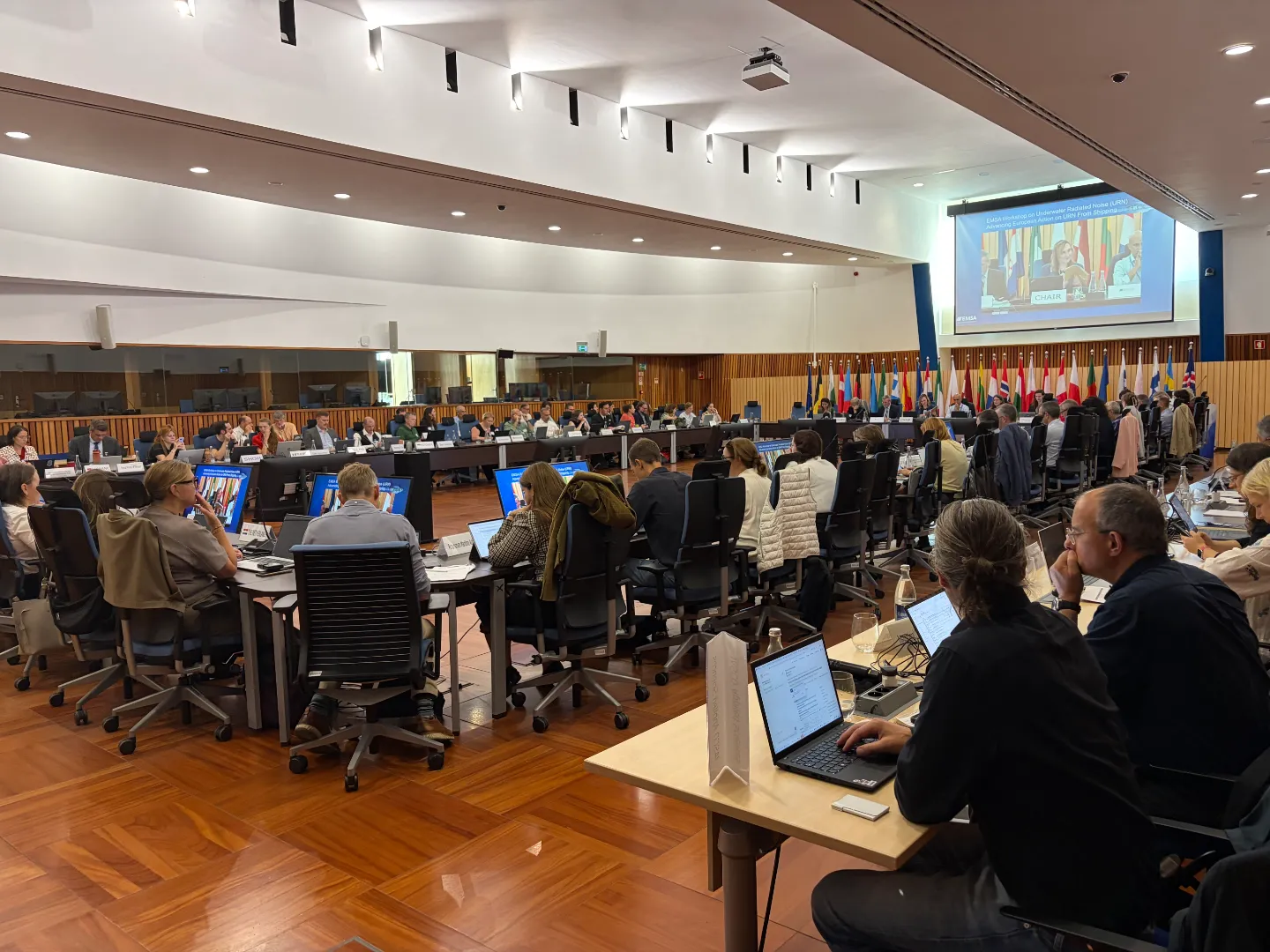
The workshop on reducing underwater radiated noise from shipping was a closed expert forum, bringing together invited policymakers, industry representatives, researchers and environmental specialists, including Maritime CleanTech Project Manager and Coordinator for the LOWNOISER project, Emilie Dorgeville.
- Maritime CleanTech brings hands-on experience from complex maritime innovation projects, combining access to vessel demonstrations, technology providers and research expertise with insight into barriers to commercial uptake. This perspective is increasingly relevant as European and international approaches to underwater noise evolve, Dorgeville says.
Guidelines are already here — expectations will increase
The IMO has issued revised guidelines for reducing underwater radiated noise from shipping and an action plan to increase their implementation. Europe is also strengthening the evidence base and identifying effective measures. As knowledge and experience grow, requirements may evolve. Incentives have also been discussed, but no specific measures are currently in place
This matters now for Maritime CleanTech members because decisions on newbuilds, retrofits, propulsion systems and vessel operations have long-term consequences. Companies that understand their noise profile, mitigation options and trade-offs will be better prepared as guidance, customer expectations and policy measures develop.
Real-world evidence is essential
At the workshop, LOWNOISER presented early modelling results from its industrial demonstrators and highlighted the need for clearer information on noise-reduction performance, costs and implementation challenges.
- There is no one-size-fits-all solution. Effective noise reduction will require a combination of technical, operational and area-based measures tailored to different vessels and maritime regions. The industry needs reliable evidence to understand what works, what it costs and how measures can be implemented in practice, Dorgeville says.
Important project experience
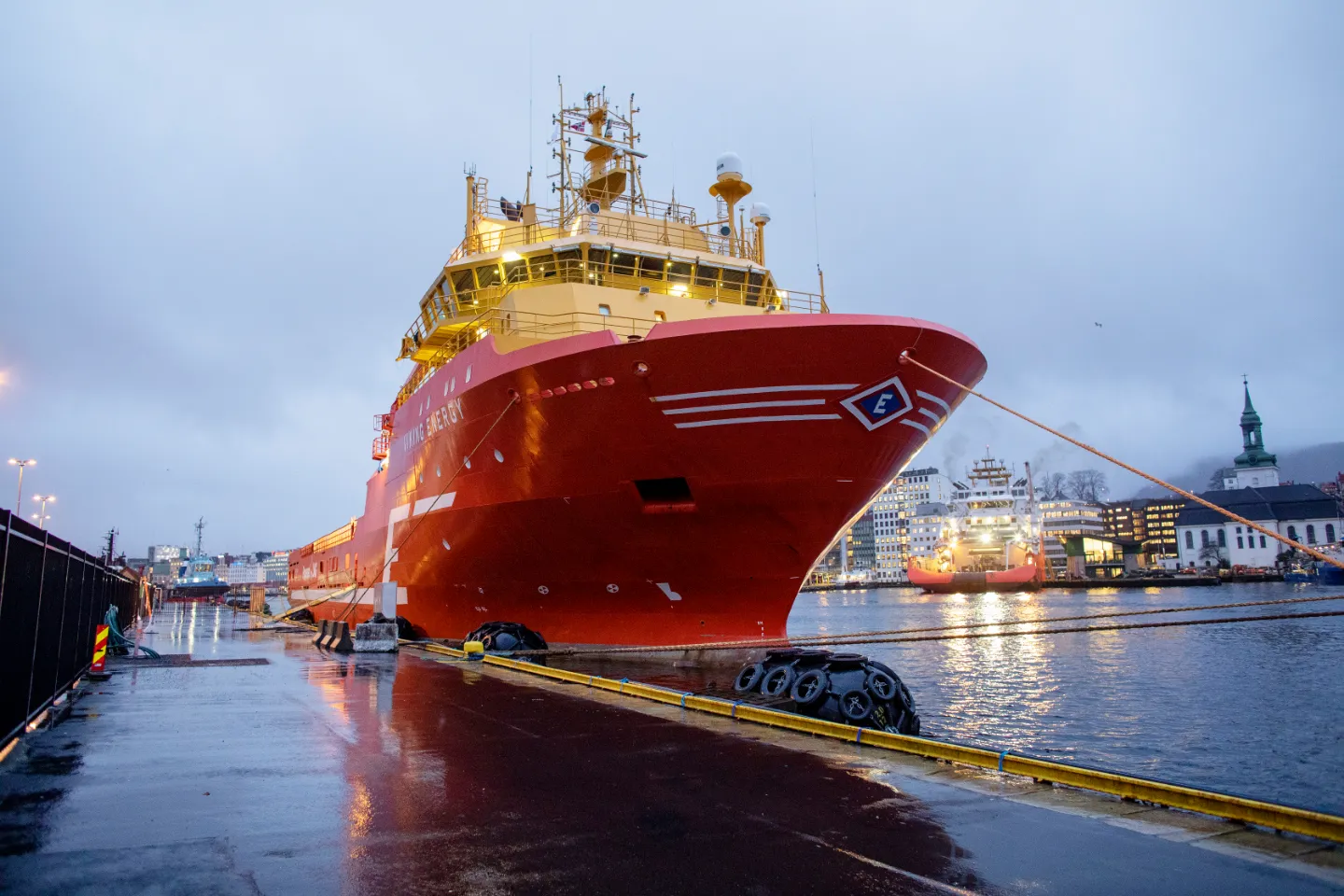
LOWNOISER provides data and practical experience from technologies assessed on real vessels, showing where promising solutions meet operational, commercial or regulatory barriers. Maritime CleanTech can bring this evidence into discussions that will shape the industry’s future framework.
Members gain earlier insight into policy developments and an opportunity to help ground future measures in operational reality. Maritime CleanTech will continue to bring evidence from its projects and industry network into the forums where new approaches are developed.