Maritime CleanTech is part of a new EU initiative that will use artificial intelligence and digital solutions to improve energy efficiency in the existing fleet, while turning strong European research into tools that are actually used at sea.
Improving the performance of existing ships will be critical if Europe is to reach its climate targets. At the same time, digital technology is becoming a key competitive factor in global shipping.
AIMPERES (AI-driven Modular Platform for Emission-Reduction & Efficient Shipping) brings together ten partners from six European countries. The project will develop energy management solutions that turn operational data into practical decisions onboard vessels — helping crews and operators cut fuel use and emissions in daily operations.
Maritime CleanTech will work closely with Fraunhofer IEM , NAVTOR and the other partners to help ensure that the solutions are developed with the market in mind and taken into real use across the maritime industry.
Turning strong research into solutions at sea
AIMPERES brings together expertise from across Europe to develop energy management solutions for real operations. For Maritime CleanTech, a key part of the work is to help ensure that innovation does not stop at research, but reaches the market and creates impact onboard vessels.
Maritime CleanTech will connect technology development with industry needs. By bringing in market perspectives and supporting uptake, Maritime CleanTech will help move the solutions developed in the project closer to real use across the maritime industry.
“Digital technology is becoming a key competitive factor in shipping. Europe needs to turn strong research and engineering into solutions that are actually used at sea. Through AIMPERES, we will help connect innovation with market needs and support faster uptake of new solutions,” says Håvard Tvedte, Interim CEO of Maritime CleanTech.
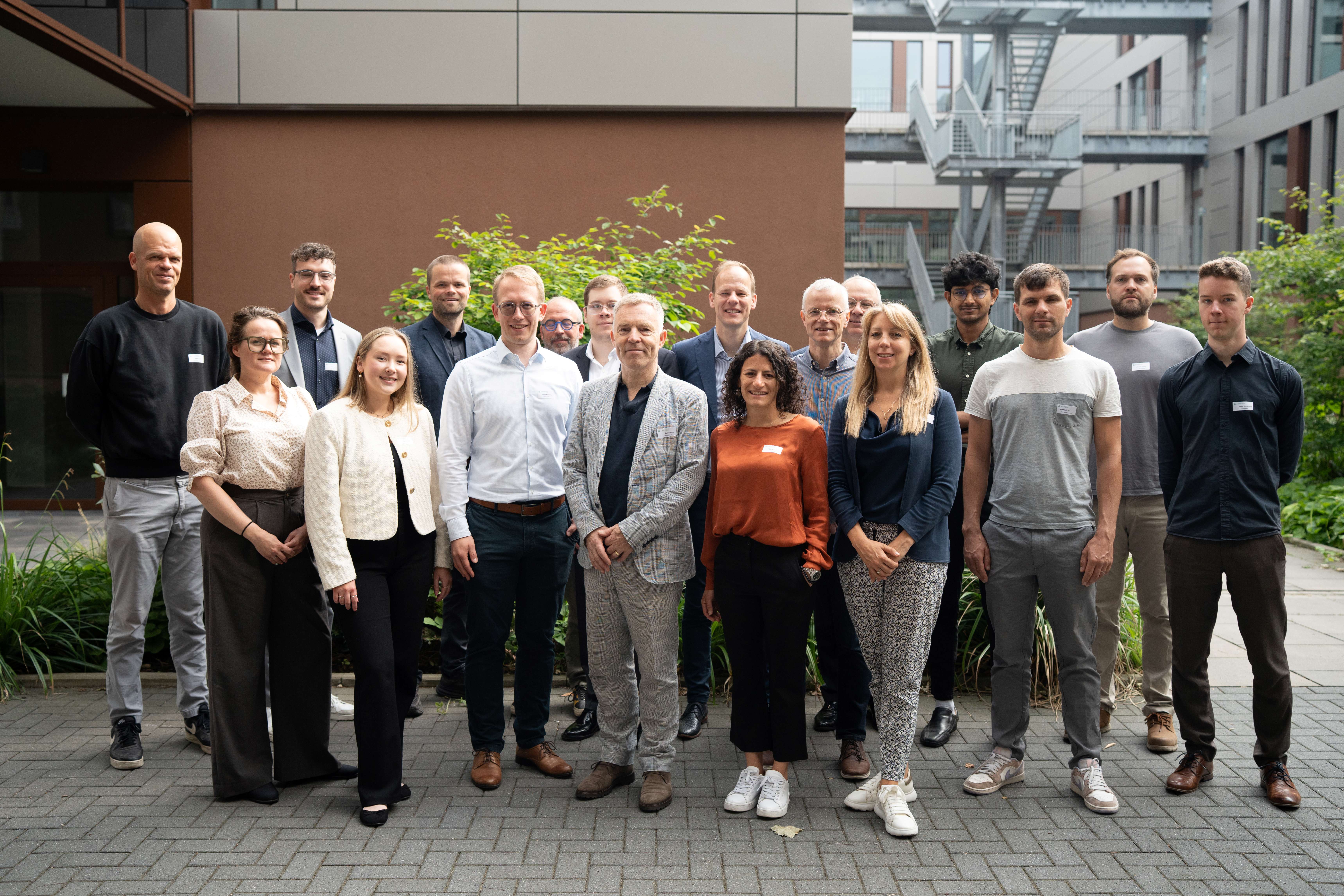
The project was launched this week at Fraunhofer in Paderborn, Germany, marking the start of a three-year collaboration aimed at helping the existing fleet meet stricter climate and efficiency requirements.
Helping the existing fleet meet targets
Most of the ships operating today will still be sailing in 2040. That means improving the performance of the existing fleet will be critical if Europe is to reach its climate targets.
AIMPERES addresses that challenge by combining emissions measurements,digital twins, artificial intelligence, and decision support into one modularenergy management system. The aim is to turn operational data into practical decisionsonboard vessels that reduce fuel use and emissions in daily operations.
The project combines expertise in digitalisation, vessel operations, andenergy management to develop practical solutions for more efficient shipping.
Stronger market for digital decarbonisation
As climate requirements tighten, demand is growing for solutions that help shipowners cut fuel use, document emissions, and stay competitive. That creates opportunities for European and Norwegian maritime players to shape a growing market for digital and low-emission shipping solutions.
By making it easier to upgrade existing vessels with smarter energy management, AIMPERES aims to accelerate emissions cuts in the fleet and strengthen Europe’s position in the digital transition of shipping.
“Improving how existing ships perform will be critical to reaching climate targets. AIMPERES is about using AI and digital technology to turn data into practical decisions that reduce fuel use and emissions. Maritime CleanTech will work closely with the partners to help ensure that the solutions are developed with the market and taken into real use,” says Tvedte.
About AIMPERES
AIMPERES is a Horizon Europe-funded project coordinated by Fraunhofer IEM. Over three years, the project will develop and demonstrate an AI-driven energy management system for inland, coastal and ocean-going vessels.
The consortium consists of Fraunhofer IEM (Germany), Universiteit Antwerpen (Belgium), Antwerp Maritime Academy (Belgium), École Centrale de Nantes (France), STC Group (the Netherlands), Navalprogetti Srl (Italy), Nestra BV (the Netherlands), NAVTOR (Norway), Transtal Shipping BV (the Netherlands), and Maritime CleanTech (Norway).

.webp)