.jpg)
The world’s first battery-swapping robot for passenger vessels is being put into operation at Nesodden. This marks an important step towards reducing emissions from fast-ferry services.
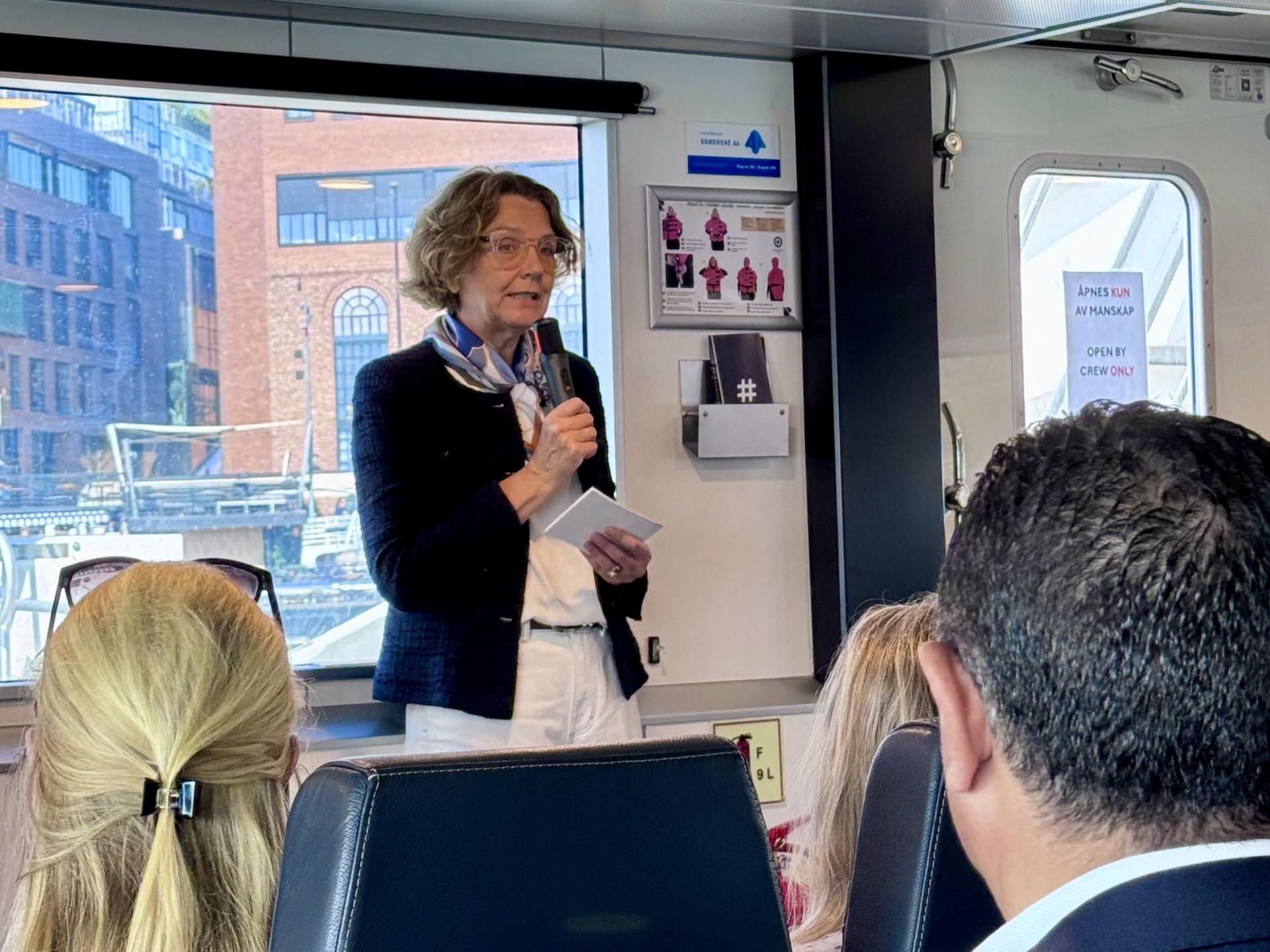
On Wednesday, 20 May, Oslo’s Vice Mayor for Environment and Transport, Marit Kristine Vea, and Akershus County Council Leader, Anette Marie Solli, officially named the battery-swapping robot SHIFTR at Nesoddtangen.
The battery-swapping robot, SHIFTR, has been developed to enable rapid replacement of batteries on fast ferries, while the batteries are charged more gently at the quay. The solution is designed to increase the use of electric propulsion and gradually reduce the use of fossil fuels, without compromising capacity or passenger safety.

– Thanks to Ruter and to Oslo and Akershus county authorities. They have been clear on environmental and development goals, while also emphasising the importance of stable and reliable operations. Our shared ambition is clear: the share of zero-emission operations will increase over time – in line with the experience we gain in operation, further technology development and the adaptation of infrastructure and route patterns, said Norled Chair Tone Wille.
As the world’s first operational battery-swapping solution for fast ferries, the project has involved pioneering work. Development, testing, integration and certification have all been essential to ensuring safety and operational reliability.
A step towards increased electrification
In the first phase, the fast ferries MS Baronessen and MS Baronen will operate with hybrid propulsion. This means the vessels will sail electrically, using battery swapping on parts of the route.
The aim is to increase the share of electric and zero-emission operations over time, in line with operational experience, continued technology development, and further adaptations to infrastructure and route patterns. Testing of the battery-swapping robot in real-life operations between Nesoddtangen and Lysaker, is planned for June.
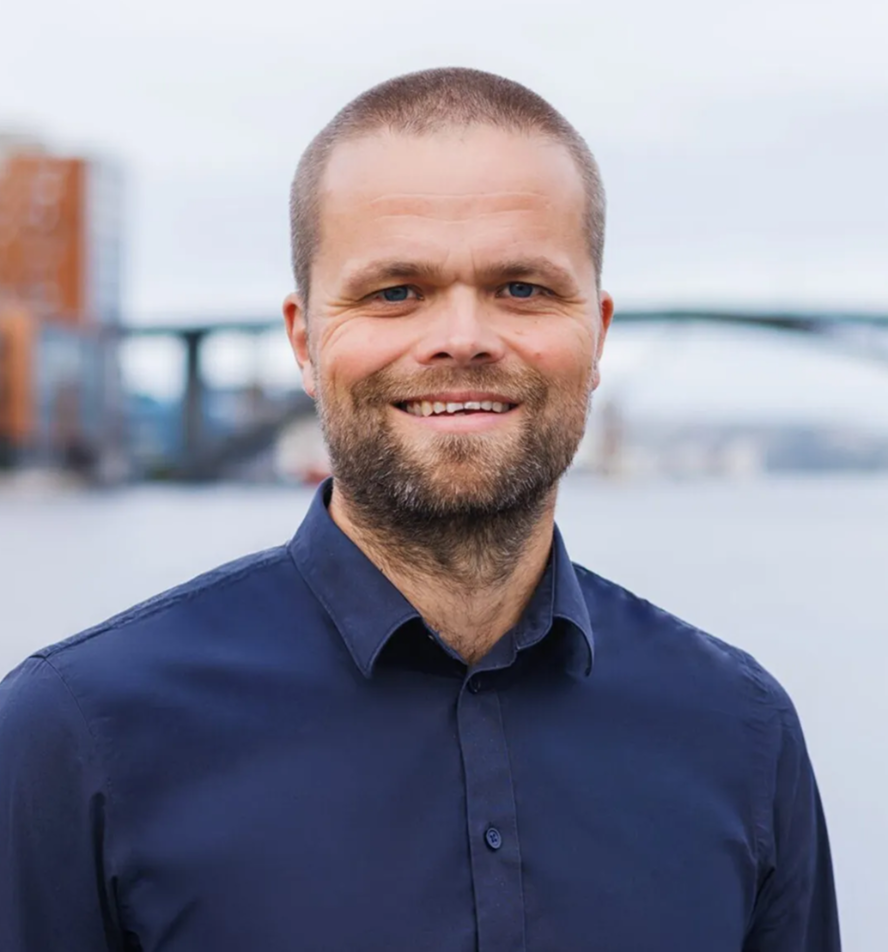
– It’s great to see the possibilities coming to life. This is what real maritime transition looks like, solving the hard stuff and making zero-emission solutions work in daily operations, says interim CEO Håvard Tvedte at Maritime CleanTech.
The SHIFTR system has been developed through close collaboration between Norled, SEAM and Aarbakke Innovation, with Ruter bringing the solution into operation in the Oslofjord.
The project demonstrates how collaboration across operators, technology companies and public transport authorities can help move maritime decarbonisation from ambition to implementation.
%20og%20H%C3%A5vard%20Tvedte.jpg)

.webp)