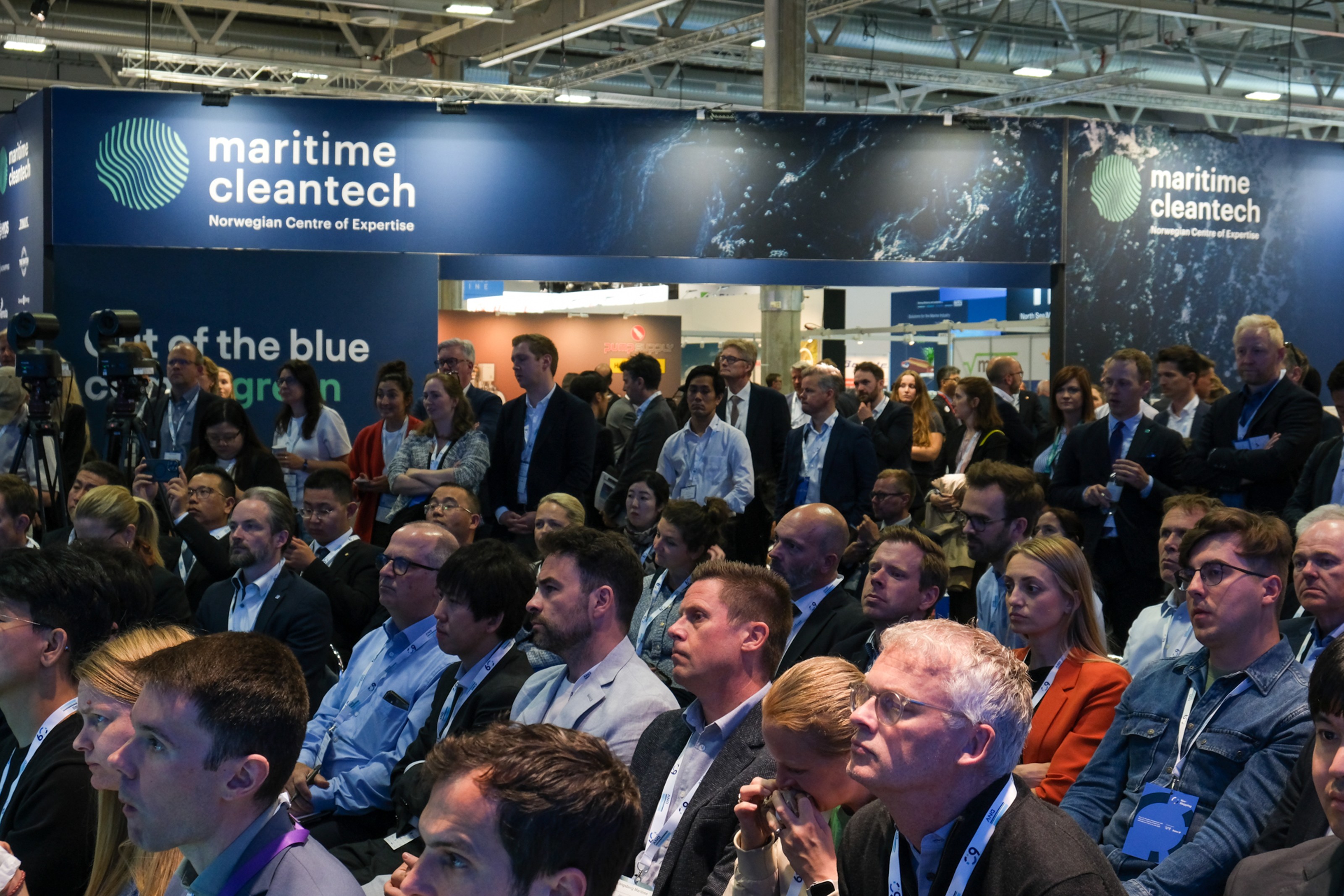
Europe’s maritime sector gathered in Madrid to identify the next steps in research, innovation and deployment. The discussions buildt on nine technology roadmaps, including those for ferries and offshore vessels developed under Maritime CleanTech’s leadership.
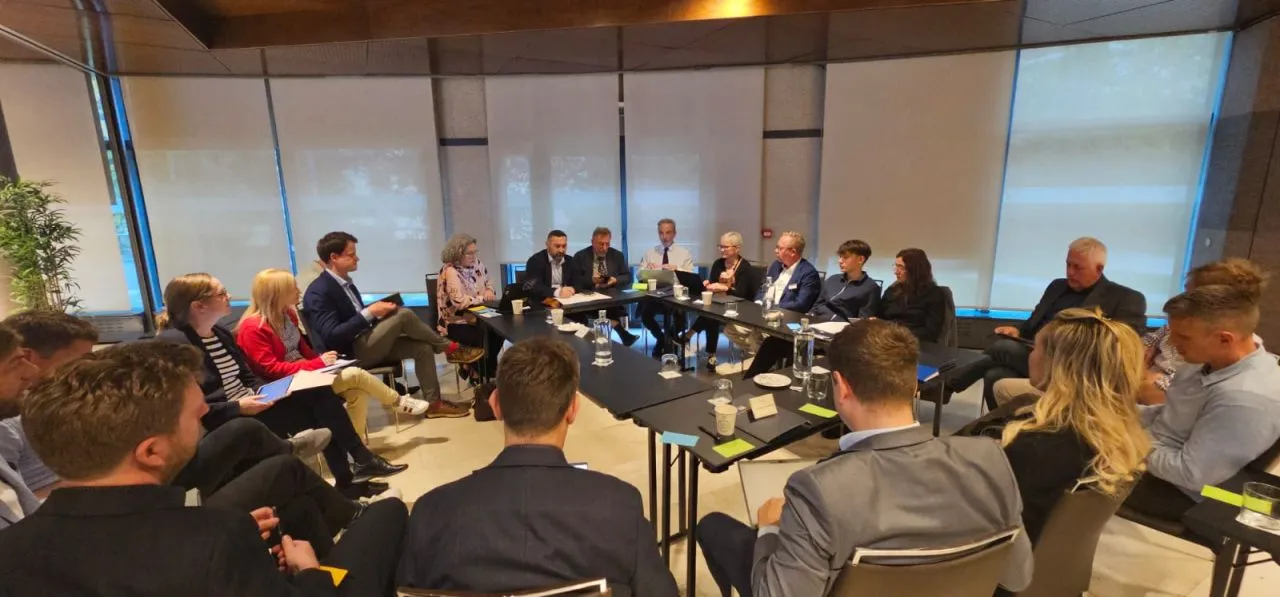
The two-day Waterborne Technology Platform (WaterborneTP) Thematic Research and Innovation Group (TRIG) meetings brought together representatives from across Europe’s waterborne sector. Through breakout sessions and plenary discussions, participants highlighted achievements, identified the gaps that still stand in the way of bringing innovative solutions into wider use, and discussed the actions needed to address them.
Building on industry priorities
The technology roadmaps set out a shared industry direction towards 2050, linking technology development with the wider conditions needed for successful deployment.
They were handed over to the European Commission during Connecting Europe Days in Brussels to help inform future maritime policy, research and investment priorities.
Maritime CleanTech led the development of the ferry and offshore vessel roadmaps, with Project and Funding Manager Marte Jensen serving as Roadmap Leader for both segments. The work brought together input from maritime companies, researchers, maritime authorities and experts across Europe.
Identifying the gaps
In Madrid, the focus is on where further action, investment and collaboration are needed across all nine roadmaps: Maritime Technology, Port Ecosystems, Inland Waterway Transport, Short Sea Shipping, Ferries, Cruise, Ocean-going Shipping, Offshore and Blue Economy.
By connecting expertise across these segments, the meetings provide an opportunity to identify shared challenges and establish priorities for the next steps, from further research and demonstration to scaling solutions for commercial use.
Looking ahead to future EU funding
The latest developments in future EU funding were also presented in Madrid, including plans for maritime technologies under the proposed European Competitiveness Fund. Its clean transition priorities include vessels, ports, shipbuilding, shipping and offshore energy, placing maritime innovation firmly on the agenda for the next funding period.
Closer links between Horizon Europe and the European Competitiveness Fund aim to support the journey from research to scaling up and deployment, helping bring new solutions into commercial use. The EU’s 2028–2034 budget framework and final funding allocations remain under negotiation.