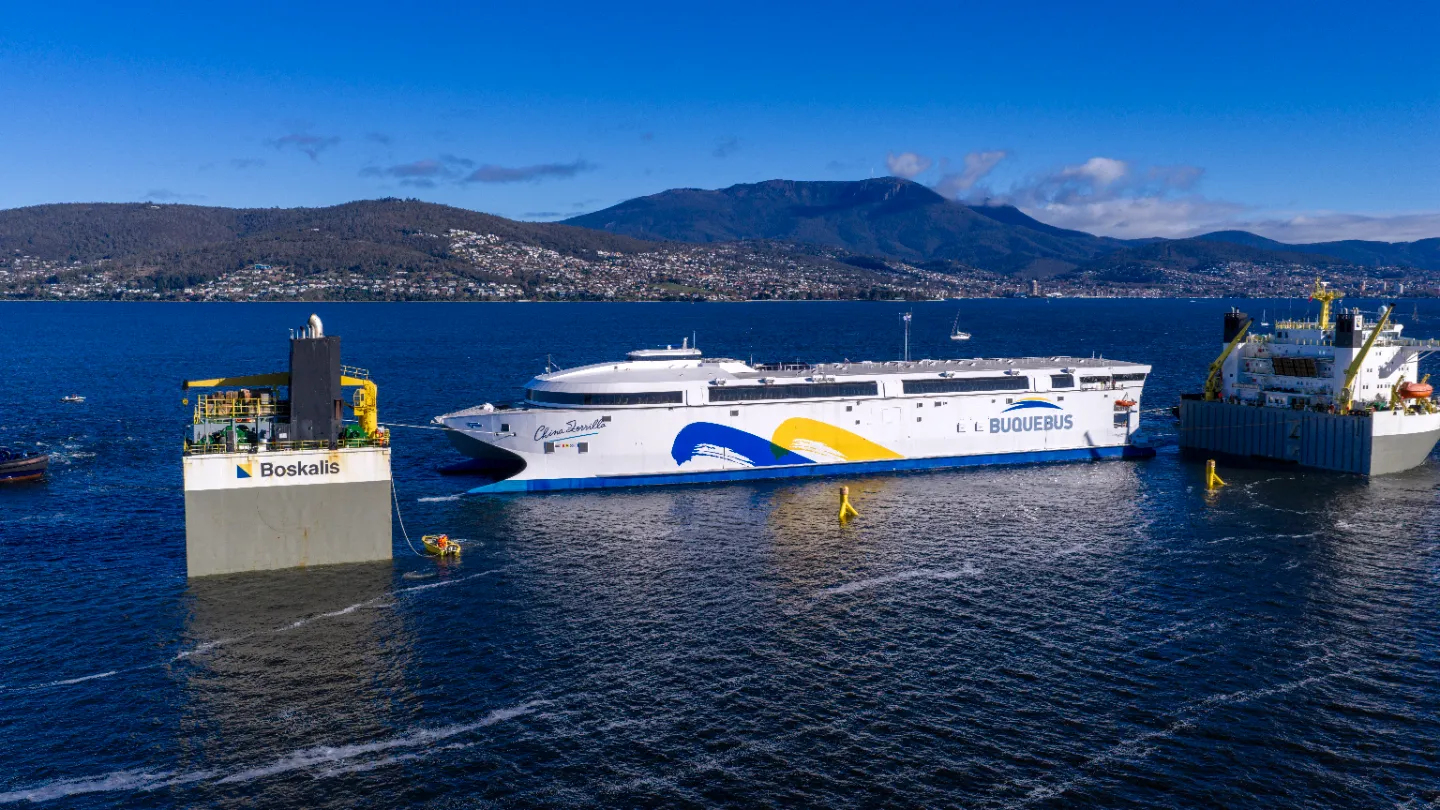
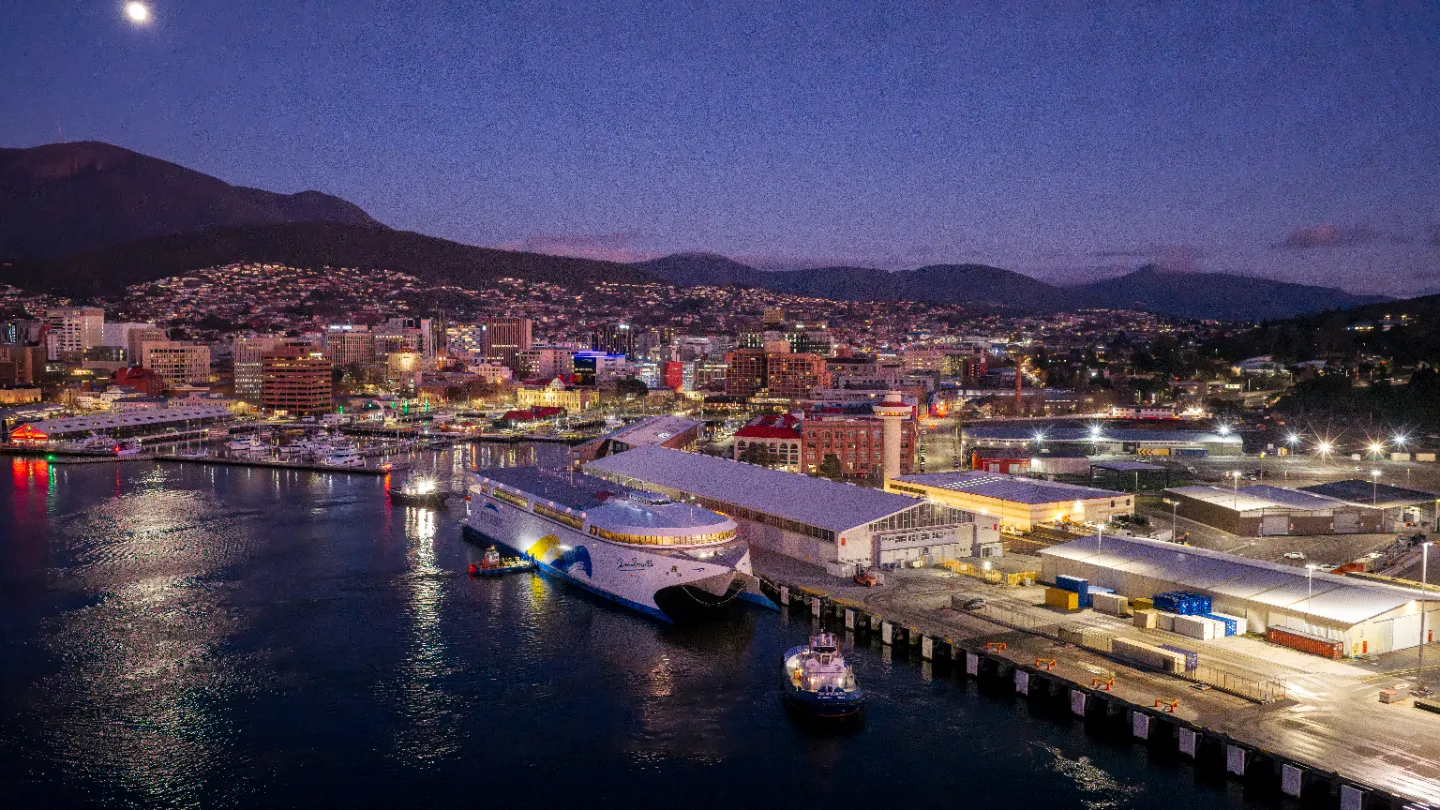
Soon, the 130-metre China Zorrilla will begin carrying passengers and cars between Argentina and Uruguay as the world’s largest battery-electric ferry. Behind the record-breaking vessel is a maritime battery revolution that began on a much smaller scale: with MF Ampere’s 20-minute crossings of a Norwegian fjord in 2015.
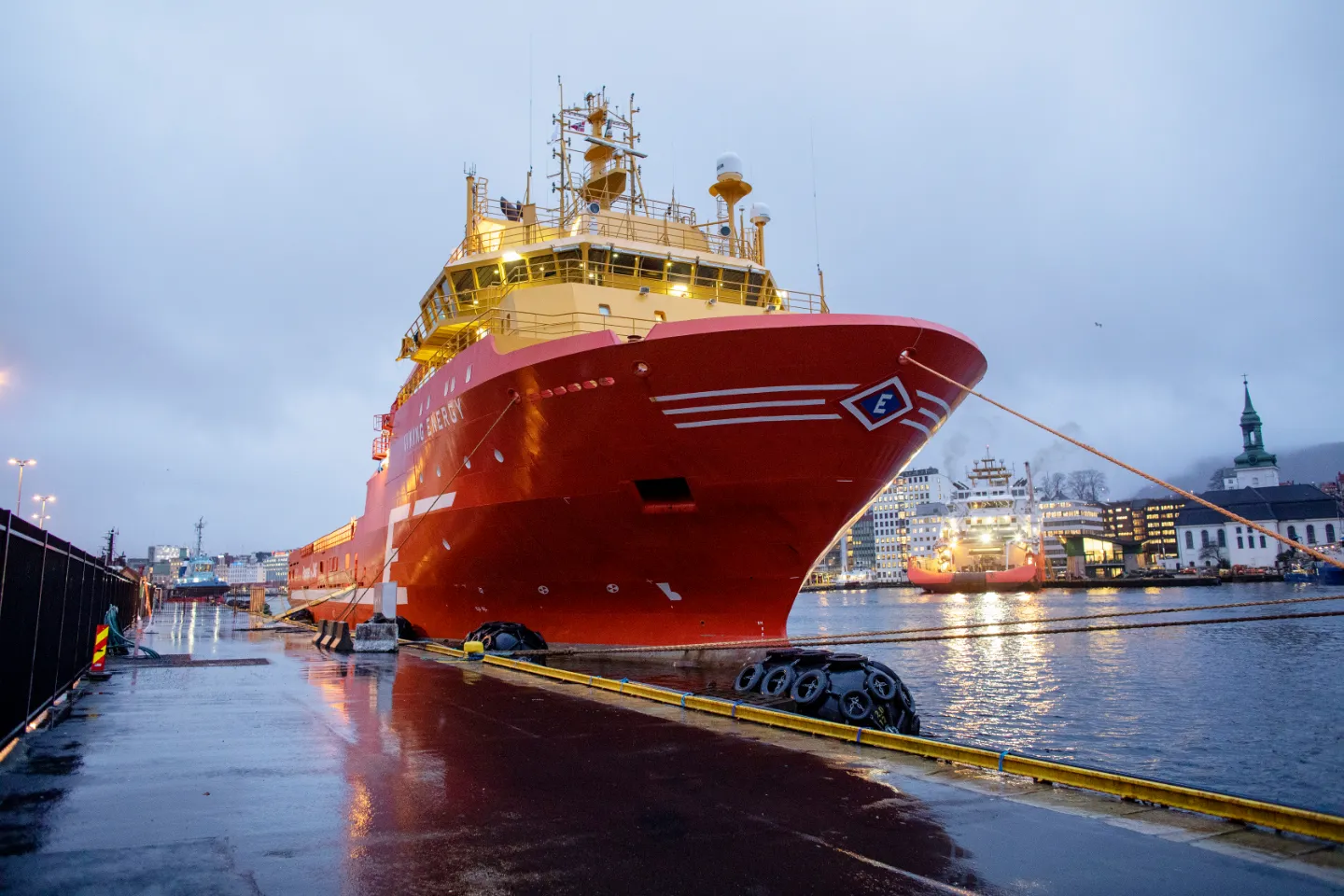
When Ampere entered service, it did more than put the world’s first fully electric car ferry into operation. The 80-metre vessel, with room for 120 cars and 360 passengers, proved with 1 MWh that battery-electric operation could work in ordinary ferry traffic with little time to charge in a busy daily schedule, and under demanding Norwegian conditions. Now, that learning curve is becoming visible at global scale: Buquebus is preparing to launch China Zorrilla between Argentina and Uruguay, with a battery system of more than 40 MWh and Norwegian-developed technology on board.

The distance from Ampere to China Zorrilla is not only measured in megawatt-hours. Ampere’s two battery packs of 500 kWh each were groundbreaking at the time. The new catamaran carries more than 40 times as much energy on board as Ampere, turning what began as short electric fjord crossings into a technology platform for international, large-scale ferry routes. That leap has been made possible by years of practical experience, public procurement that rewarded zero-emission solutions, and industry frontrunners that continuously have improved batteries, propulsion systems, charging infrastructure, controls and system integration.
Norway’s public ferry transport demand created the initial market for competence-building: standardisation, classification, financing, customer confidence and operational experience. An essential step needed to move from pilot projects to commercial scale.
Medstraum proved the next step
The EU-supported TrAM project became one of the most important steps in that development. Through strong innovation collaboration, the partners delivered MS Medstraum in 2022 as the world’s first fully electric high-speed public passenger vessel. Built at the Fjellstrand yard in Norway, it showed that electric propulsion was not just for short, slow crossings. It could also be used in faster and more energy-demanding vessels, if the entire design was optimised around efficiency.

Medstraum also demonstrated the value of the trustful partnership model that is central when moving the maritime transition further.
“Costs are falling while energy density is increasing. Demonstrating this technology on board the high-speed craft MS Medstraum was a turning point. It showed the world that we can deliver, and that EU innovation collaboration can connect partners, accelerate development and bring technology to global markets,” says CEO Ada Jakobsen at Maritime CleanTech.
A supplier ecosystem built through collaboration
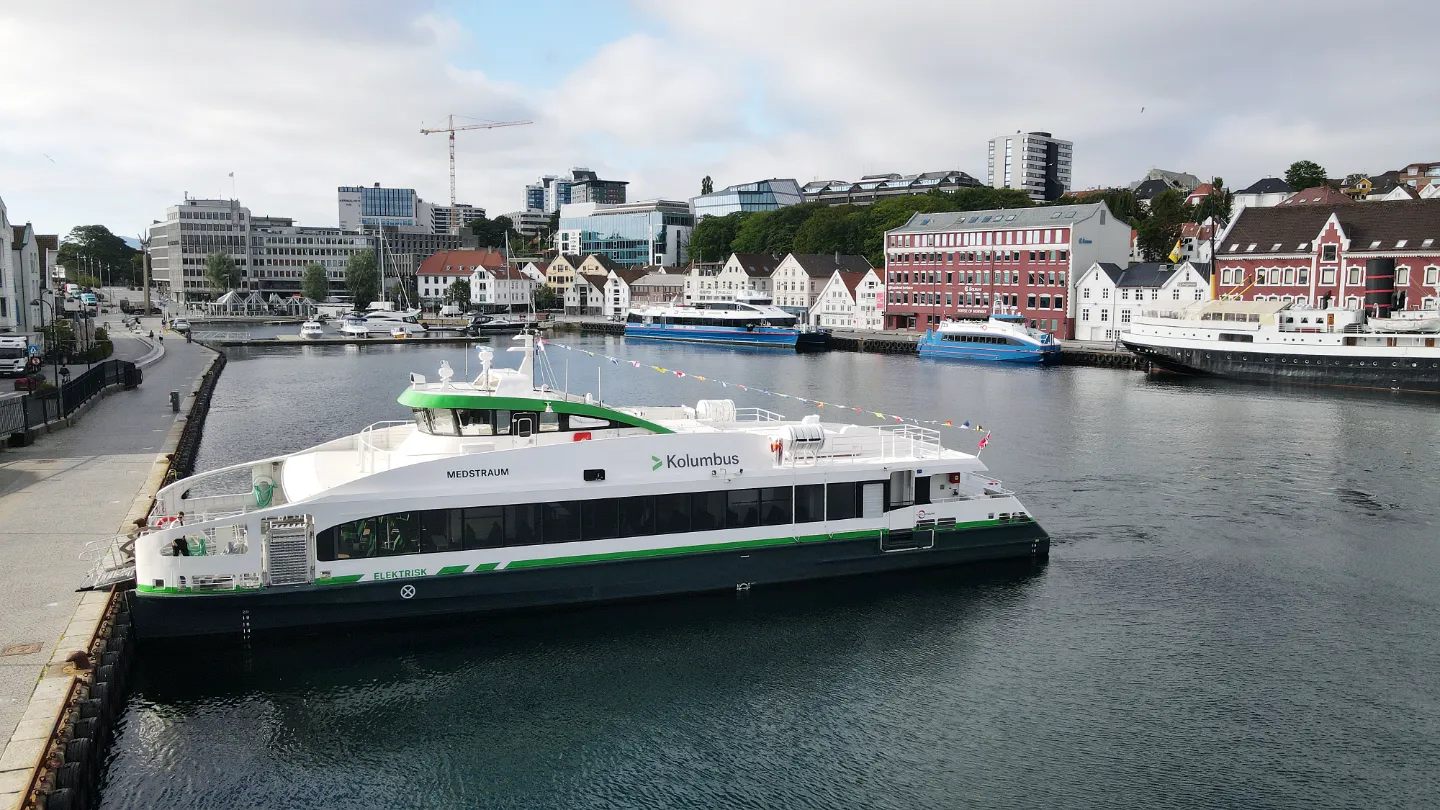
Medstraum gave the technology suppliers a demanding test arena. Lightweight components, smarter power management, efficient hull forms, propulsion, electric motors, converters, switchboards and charging solutions all had to work together, and with less spare dimensions than ever seen before. The competence developed in projects like TrAM is now visible in the systems delivered to China Zorrilla, where companies such as Corvus Energy, Wärtsilä, The Switch and Zinus are helping scale electric operation into much larger vessels than ever before.
On China Zorrilla, Wärtsilä is the main integrator of the electric propulsion system, while Corvus delivers the battery installation, The Switch contributes electric drivetrain technology, and Zinus supplies the autonomous charging solution.
These deliveries also show how the Norwegian electric “revolution” has reached beyond batteries alone. Electric propulsion depends on complete systems: motors, converters, switchboards, controls and the ability to integrate them safely and efficiently on board. Through repeated deliveries to hybrid and electric vessels, suppliers have built up expertise that is now highly relevant internationally.
“We have noticed how these projects reinforce the growing market confidence in battery-electric ferry operations and demonstrate and how lessons learned from pioneering projects such as China Zorrilla are helping accelerate wider adoption across the ferry sector,” says Bjørnar Skogseth, General Manager Power & Energy Management Systems in Wärtsilä.
Next stop: Denmark
The momentum is continuing from South America and back to the Nordics. Wärtsilä will supply the fully integrated electric propulsion system, including electric motors and waterjets, for three battery-electric high-speed catamaran ferries being built by Incat Tasmania for Danish operator Molslinjen.
Across these projects, the pattern has been the same: demonstrate the technology in real operation, refine it with partners, and then scale it into new vessel types and markets.
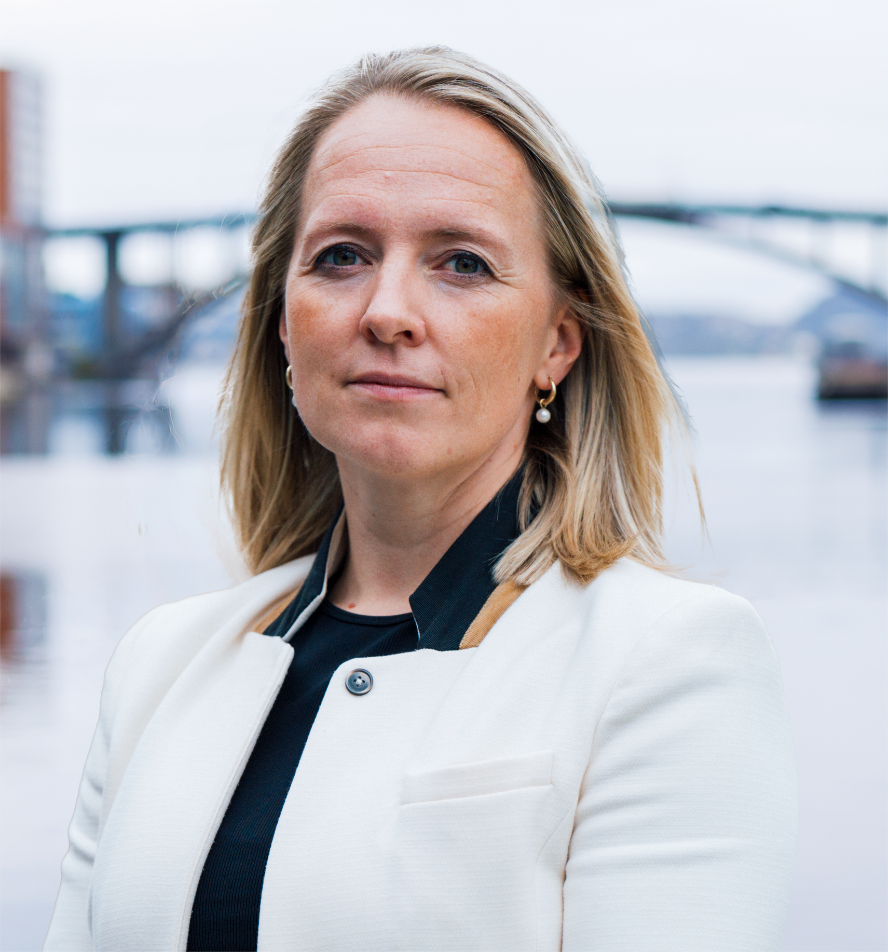
Maritime CleanTech helps to turn early ideas into commercial solutions: “Our strength is to initiate the right technology projects with right timing, connect partners for industry realisation and continuously calibrate and correct when needed,” says Ada Martine Jakobsen, CEO, Maritime CleanTech.
China Zorrilla shows what the model can deliver
The scale of China Zorrilla marks an historic leap for maritime transport. For the technology suppliers, the project confirms that the expertise developed through Ampere, Medstraum and hundreds of hybrid and electric vessels is now shaping some of the most ambitious zero-emission ships in the world.
When China Zorrilla enters operation across the Río de la Plata between Argentina and Uruguay, it will be more than a record-breaking ferry. It will be a visible result of the battery revolution: a decade of policy, procurement, engineering and collaboration that has turned local fjord crossings into a global export industry.