New industry-led roadmaps will help guide European maritime policy, research and investment. Maritime CleanTech has led the development of the roadmaps for ferries and offshore vessels.
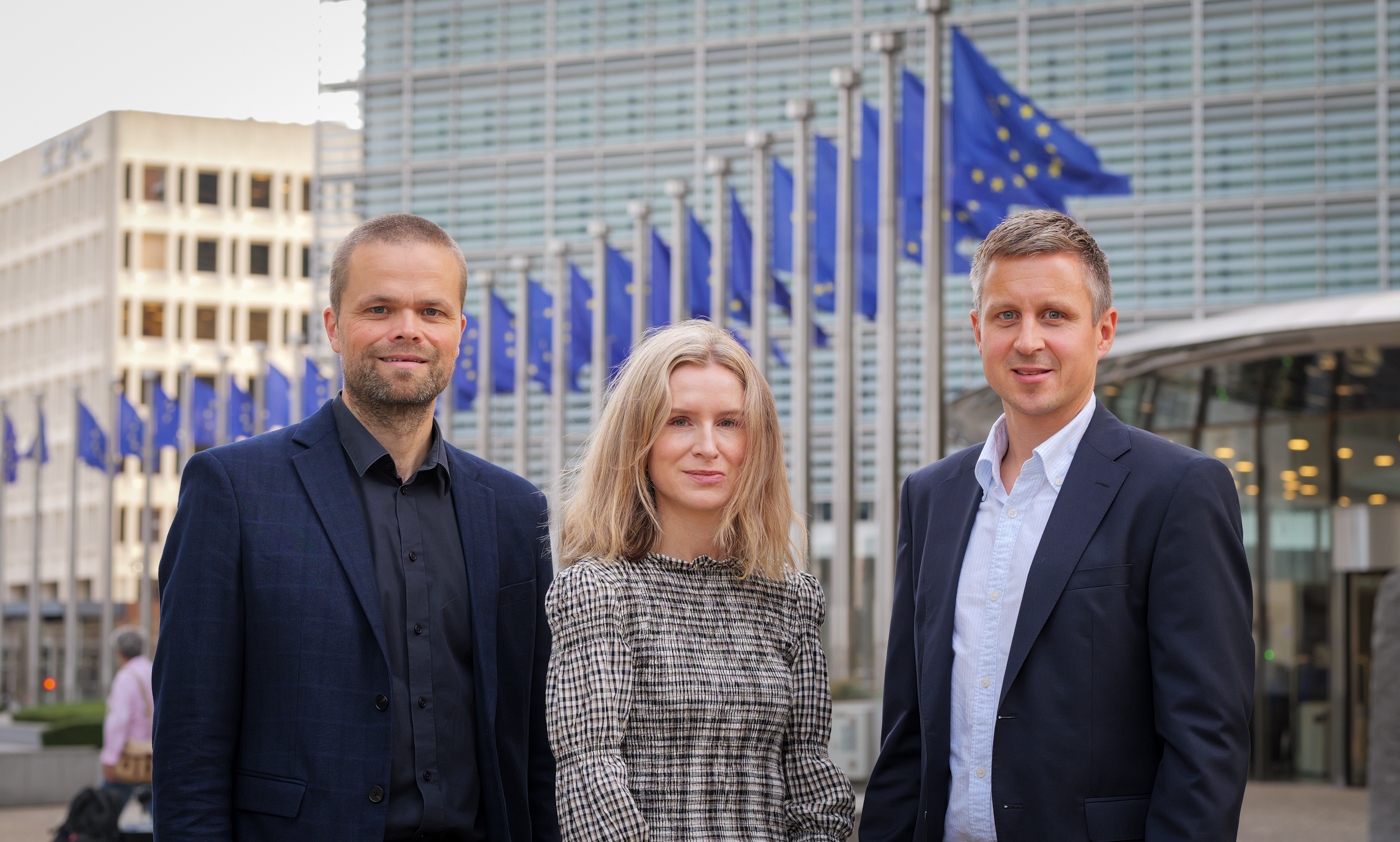
Maritime CleanTech is in Brussels for the handover of nine Technology Roadmaps for Europe’s waterborne sector to the European Commission. Developed through the Waterborne Technology Platform, the roadmaps translates needs into concrete technology pathways, and provide a strategic foundation for future European policymaking and set out priorities for research, innovation and deployment across key segments of the sector.
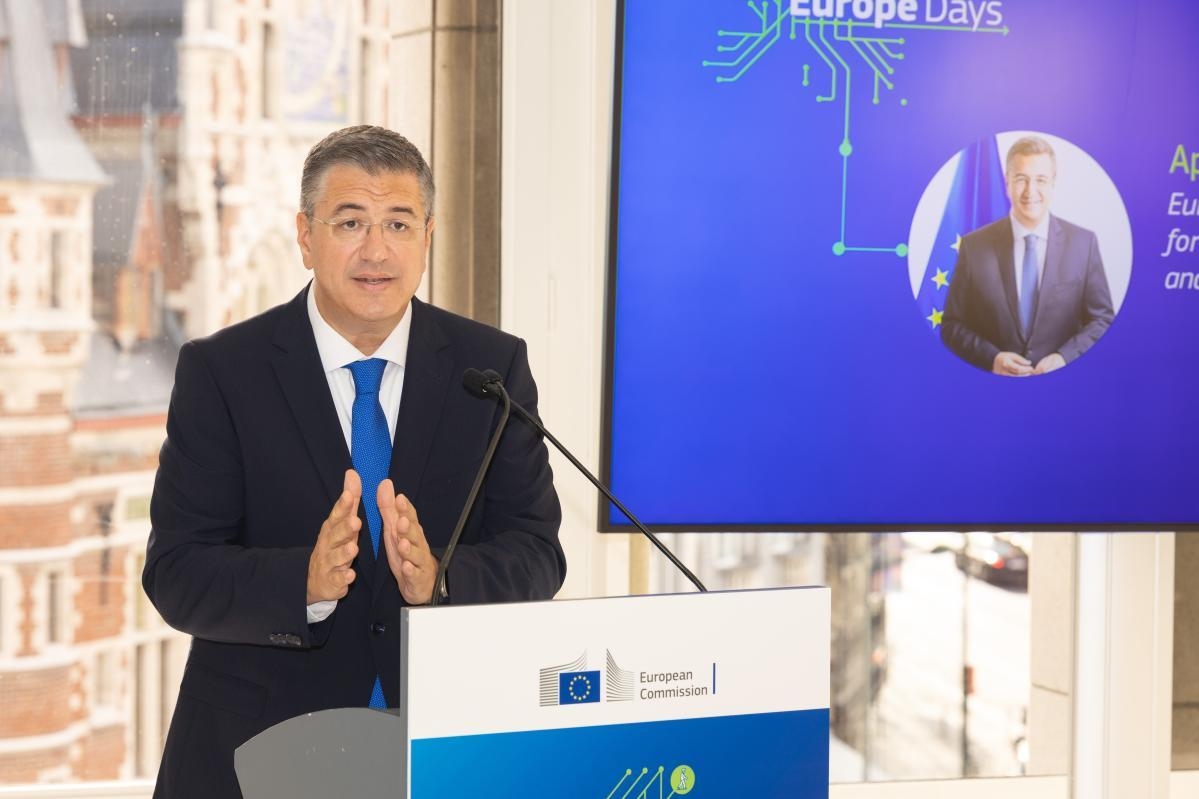
The roadmaps are signed by major industry partners across Europe and was handed over to commissioner for Sustainable Transport and Tourism, Apostolos Tzitzikostas, at a leadership event during the Connecting Europe Days conference in Brussels yesterday.
“We want to safeguard and strengthen our maritime manufacturing and shipping industries, while accelerating innovation, digitalisation and decarbonisation. [...] The roadmaps will make a very important contribution to the EU’s future research agenda and maritime policymaking”, said commissioner Apostolos Tzitzikostas at the event.
Turning innovation into deployment
Europe’s maritime transition requires more than promising technology. The roadmaps address the full innovation chain, to help bridge the gap between innovation and market deployment. New solutions must be demonstrated, scaled, financed and introduced into commercial operations.
The roadmaps connect technology development with the infrastructure, regulation, skills and investment needed to bring solutions to market. They are intended to help align future research and innovation programmes with the maritime industry’s priorities and support Europe’s green transition, competitiveness and technology leadership.
“The priorities being discussed in Brussels will influence future programmes, investments and opportunities across the maritime sector. Our role is to ensure that industry perspectives are reflected in the European decisions that will shape the next phase of maritime development”, says Tore Boge, Maritime CleanTech Head EU Projects.
Leading the work on ferries and offshore vessels
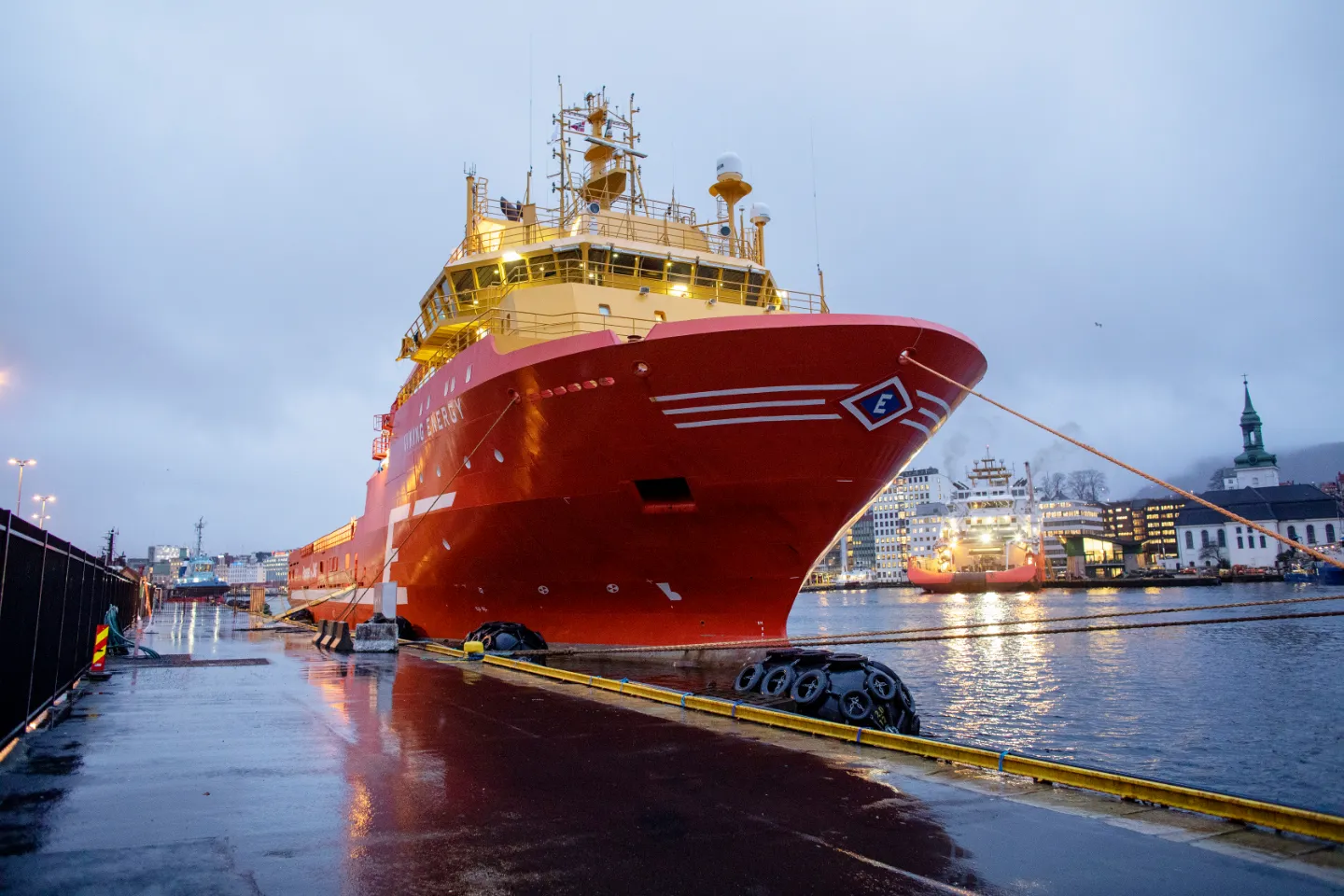
Maritime CleanTech has played a central role in the process, leading the development of the roadmaps for ferries and offshore vessels.
Marte Jensen, Project and Funding Manager at Maritime CleanTech, was appointed Roadmap Leader for both segments. Maritime CleanTech coordinated input from maritime companies and research organisations to ensure that the roadmaps reflect real technology needs, operational challenges and opportunities for deployment.
The work included several rounds of drafting, expert input and industry consultation. This broad involvement gives the roadmaps a strong foundation in the practical needs of Europe’s maritime sector.
“We’ve worked with companies, researchers and maritime experts from across Europe to develop the roadmaps. They identify the technologies, infrastructure and investments needed to bring clean maritime solutions into commercial use. We’re proud to be handing the input over to the European Commission to help shape future priorities and programmes”, says Marte Jensen.
.jpg)
A shared European direction
Covering nine maritime segments, the roadmaps provide a coordinated industry perspective on the technology development, enabling conditions and deployment priorities Europe should pursue towards 2050. Together, they show how maritime decarbonisation can advance alongside industrial competitiveness.
The roadmaps are also supported by EU Member States and countries associated with Horizon Europe. Governments have been invited to endorse their strategic direction and their role in guiding public and private investment towards 2035, 2040 and 2050.
Today’s handover marks an important milestone. The next step is turning the shared priorities into policies, funding programmes and projects that accelerate the deployment of clean maritime solutions.
For Maritime CleanTech, the process demonstrates how industry expertise can shape European policymaking and help turn shared priorities into funding programmes, industrial initiatives and projects that bring clean maritime solutions to market at scale.