The Philippines wants to electrify ferry traffic across thousands of islands, and Norwegian technology and experience are part of the conversation. For Maritime CleanTech's partners, it may open the door to a new market.
The Philippines is an archipelago of thousands of islands, where domestic passenger vessels are a vital part of everyday transport. The country has now set an ambitious course towards electrification, aiming to reduce emissions and transport costs and make better use of its inter-island and inland waterways.
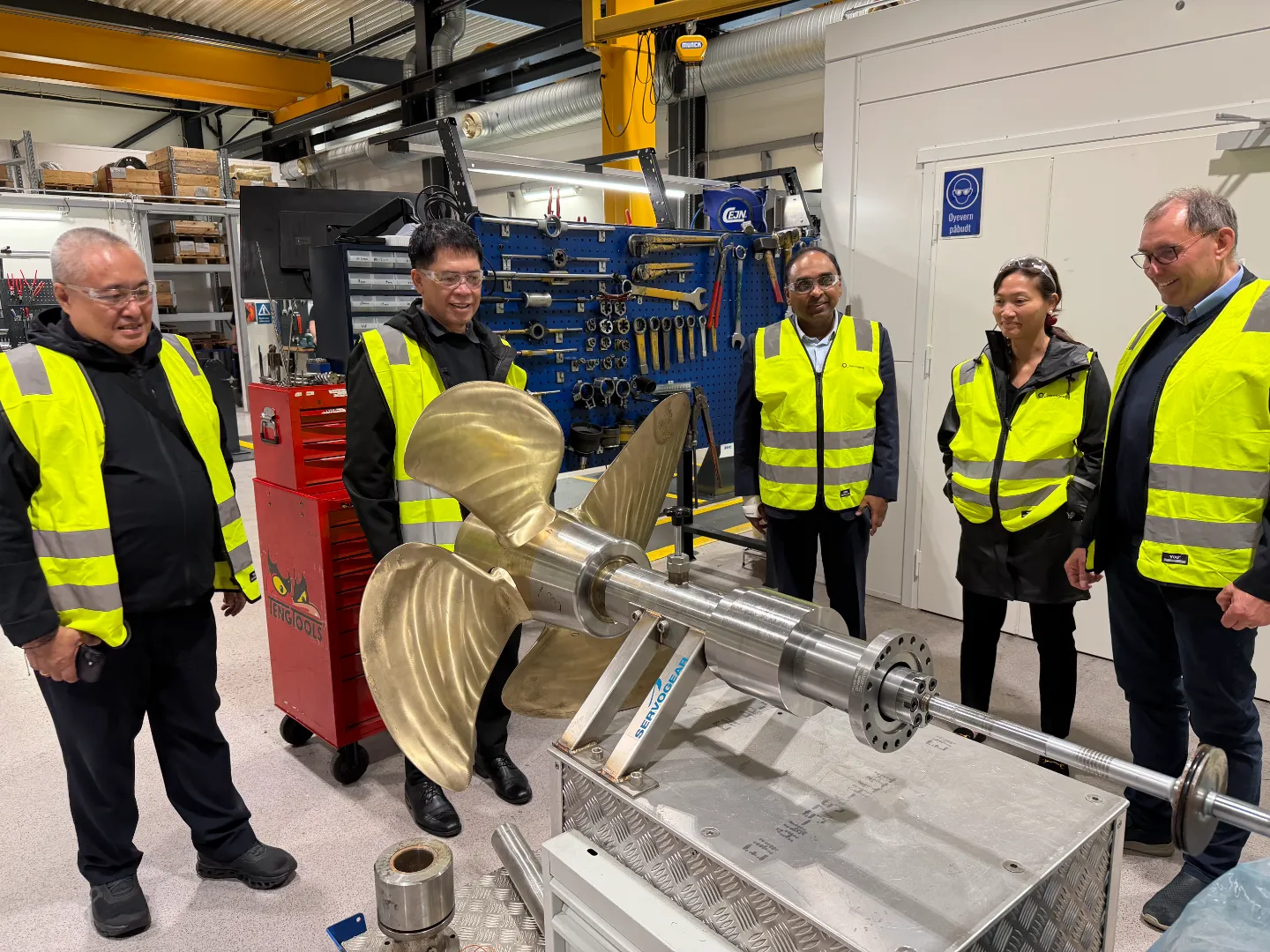
From 14 to 17 September, a delegation of Philippine government representatives, shipowners, industry players and the World Bank visited Norway. Maritime CleanTech organised the programme, together with Innovation Norway and the Royal Norwegian Embassy in Manila.
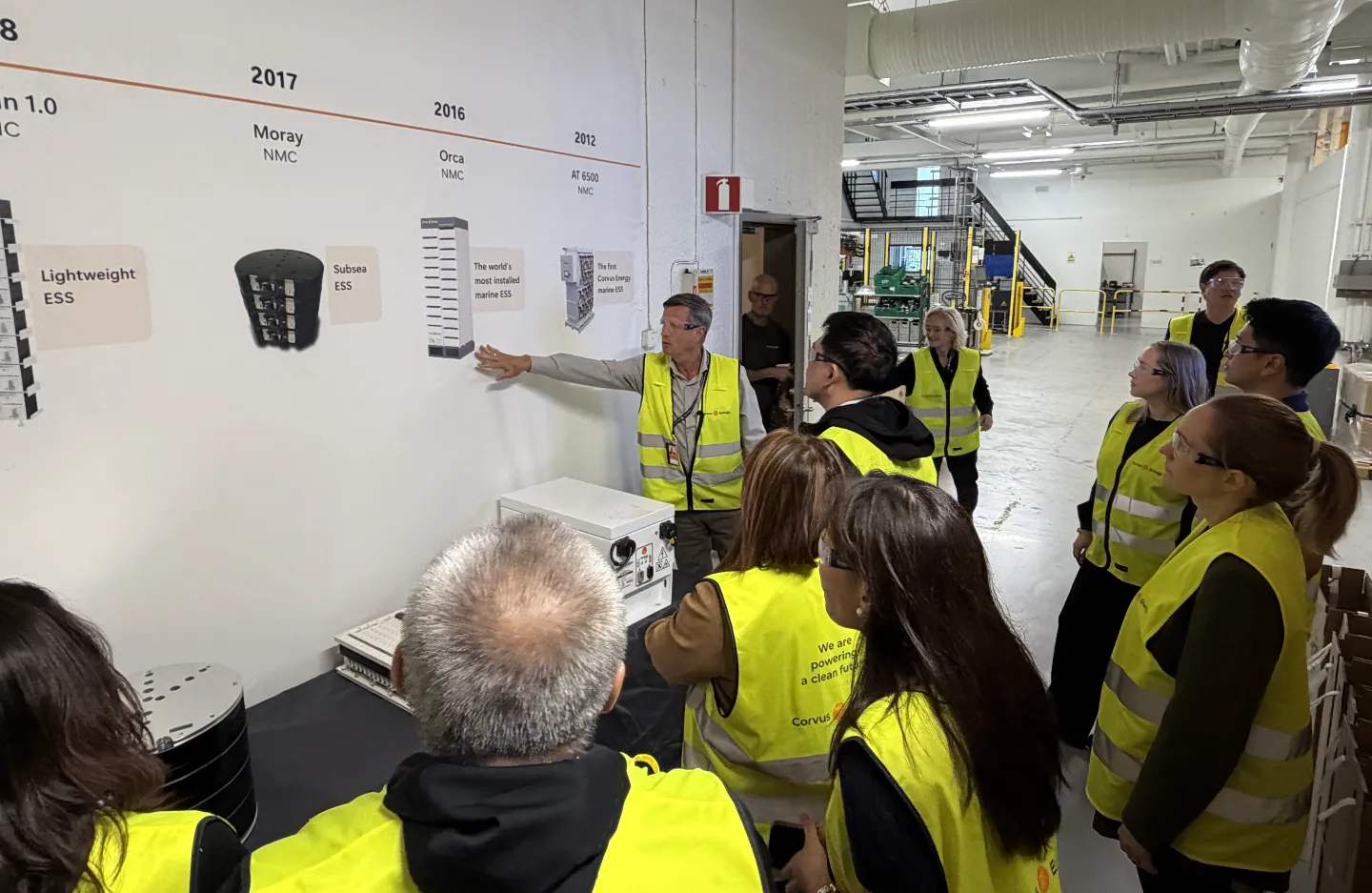
From the Oslo region to the west coast, they met Norwegian frontrunners across the value chain and saw what makes the transition happen in practice: technology, infrastructure, policy and partnerships.
Norway has over a decade of experience to draw on. In 2015, MS Ampere became the world's first fully electric car ferry, and in 2022 MS Medstraum followed as the world's first high-speed craft.
Following the visit, several participants have already started conversations about concrete projects.
"The Philippines is looking for practical solutions, and Norway has experience that can make a difference. The ambition is clear, the technology is ready, and our industry partners are ready for more collaboration. Maritime CleanTech will keep building these connections,” says Håvard Tvedte, Head of Market Development and External Relations in Maritime CleanTech.
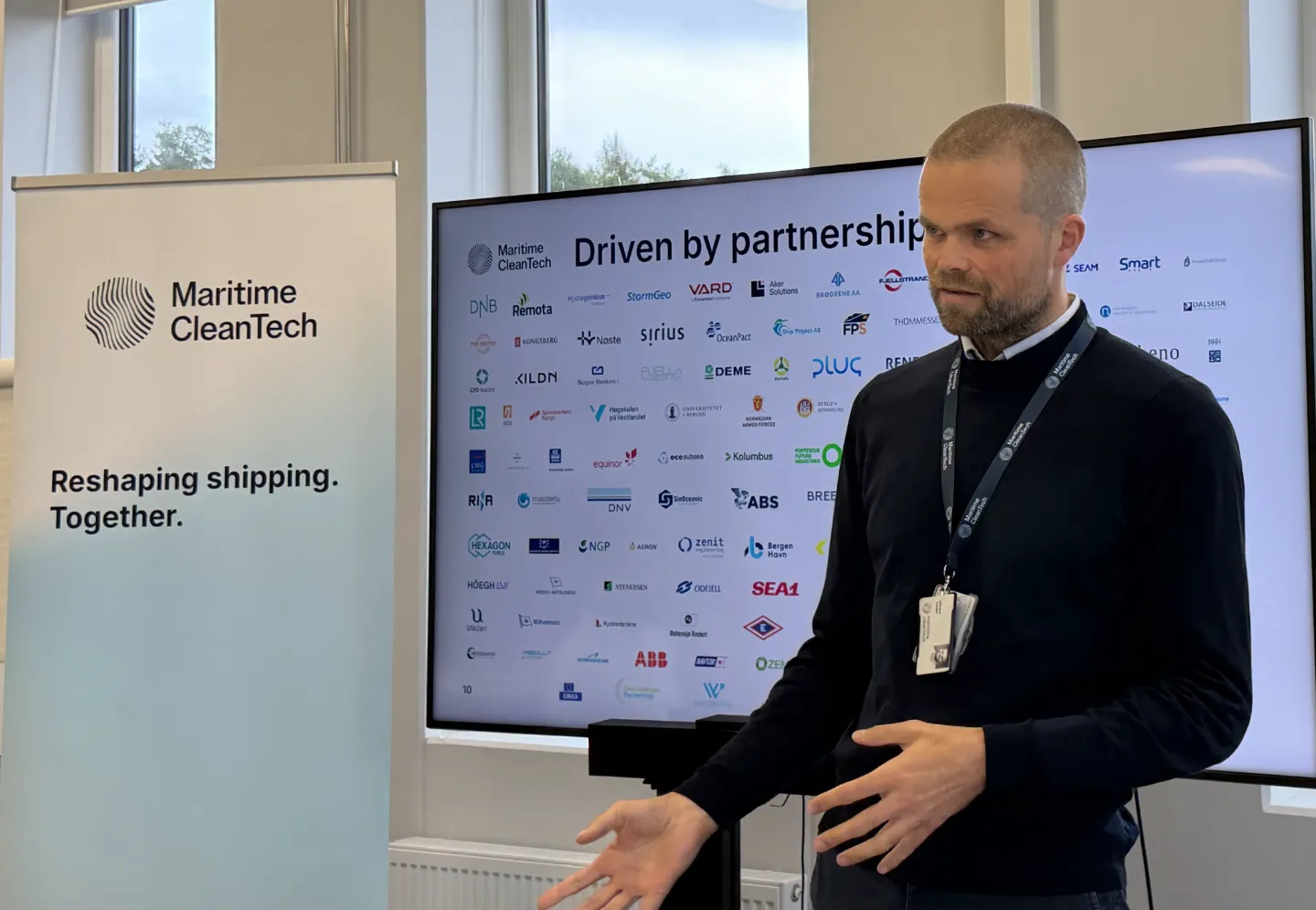
In November 2025, Maritime CleanTech co-organised the first Norway-Philippines Electric Ferries Conference in Manila, highlighting plans for a high-frequency, low-carbon commuter ferry network to connect Metro Manila with neighbouring provinces.
Since then, the Philippine government has underscored the urgency of climate action, describing decarbonisation as a national imperative for survival and resilience.
"As the Philippines pursues a more sustainable and modern maritime sector, we see great potential for cooperation and look forward to sharing Norwegian experience and innovation in support of the country's green transition," says Kristian Netland, Norwegian Ambassador to the Philippines.
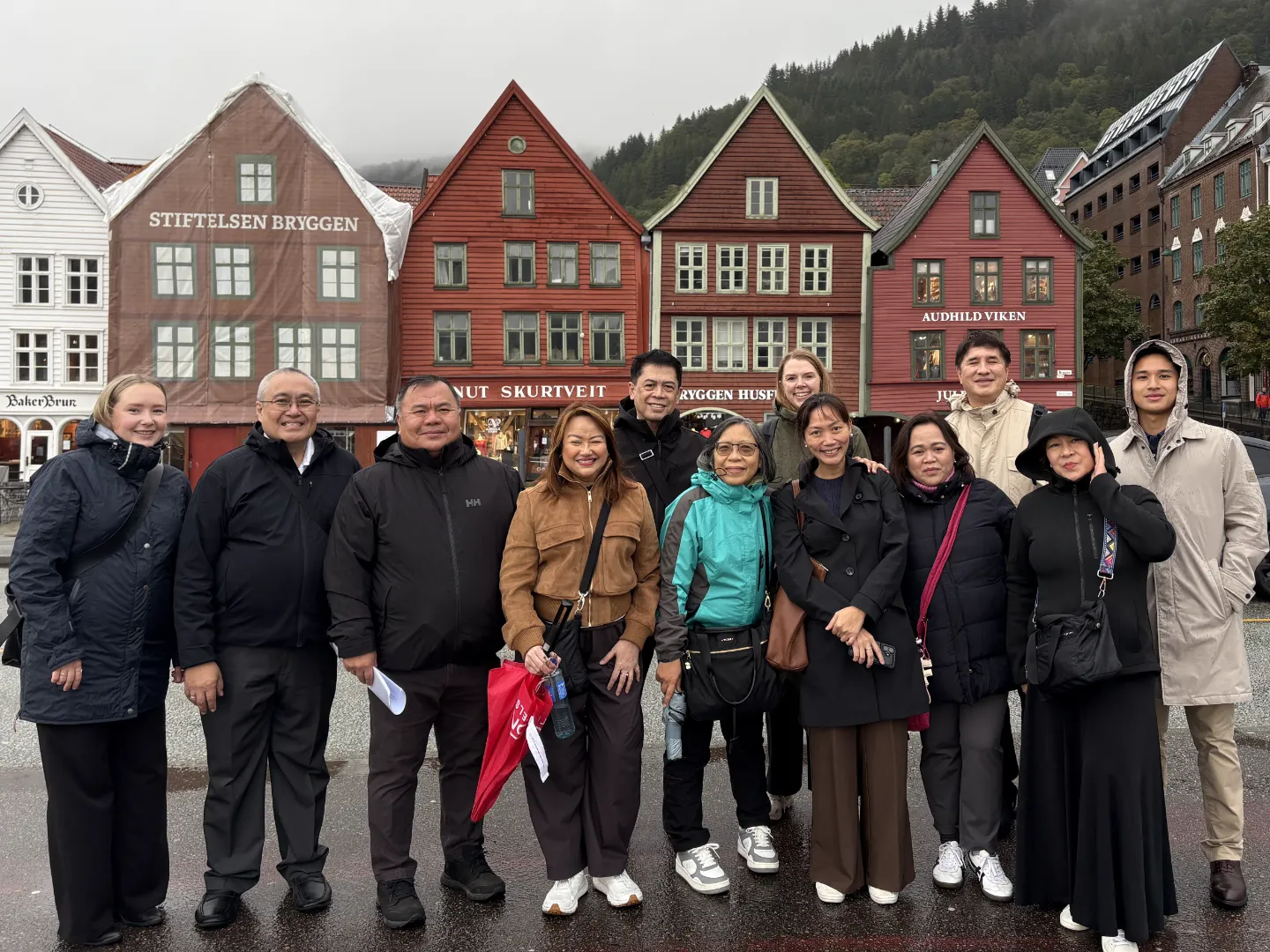
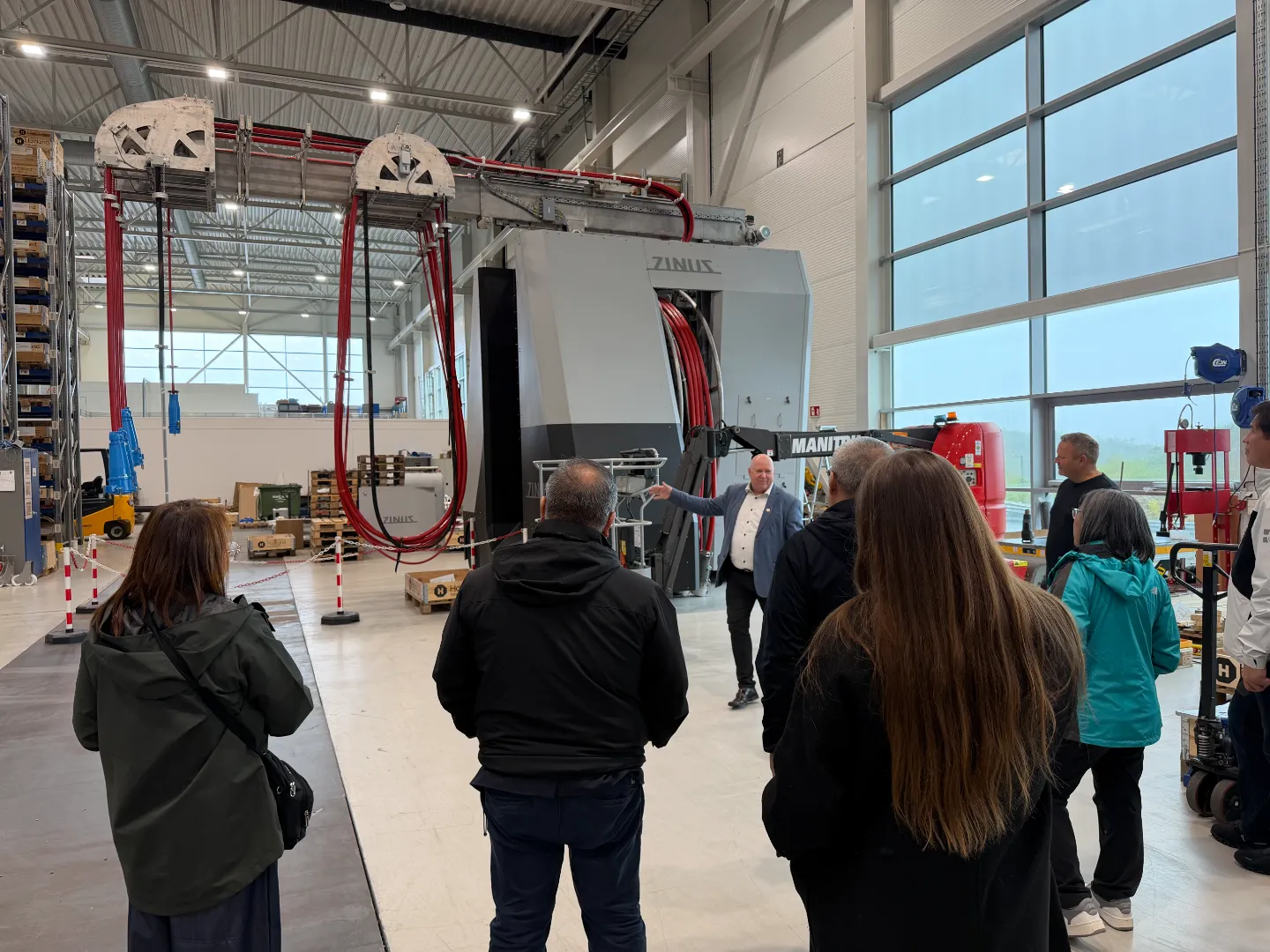
Partners contributing to the visit were Plug, Onshore Power Supply (OPS), Corvus Energy, LMG Marin, Invest in Vestland, Sustainable Energy, Wärtsilä, Zinus AS, Servogear AS, Oma Baatbyggeri AS, Massterly (a Kongsberg Wilhelmsen joint venture), Kongsberg Maritime, Maritime Robotics AS, Hyke, Pascal Technologies, ABB, ZEM – Zero Emission Maritime Solutions, Port of Oslo, Green Shipping Programme, Rystad Energy, Torghatten, Nordic Ferry Infrastructure and Norled AS.